A day at an old-quarter café
From six in the morning when the first person opens the shutters to ten at night when the last chair goes on the table — a day at Cà Phê Phố.
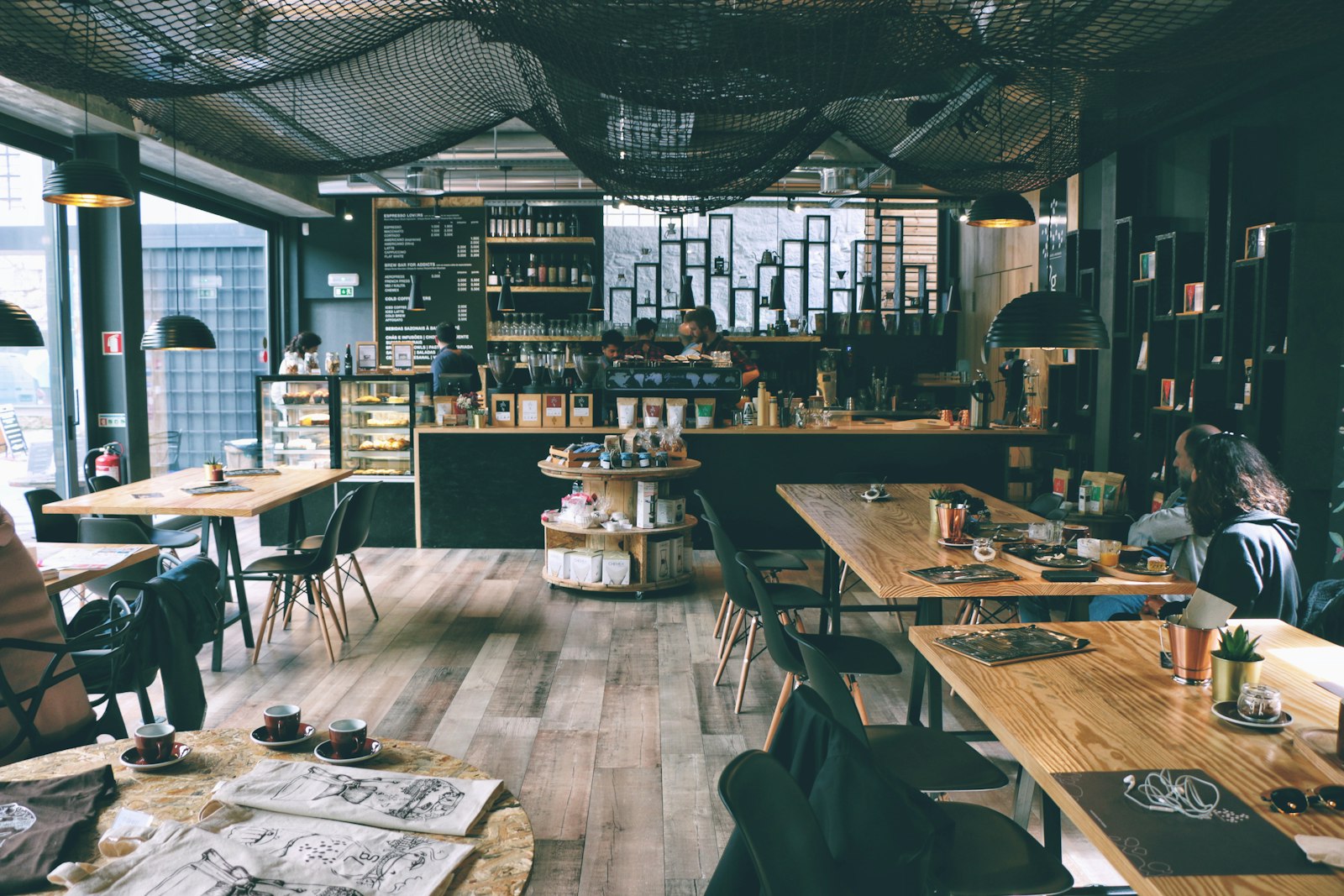
Six in the morning: opening
Nguyễn Hữu Huân street is still dark at six. The first arrival is Mr Hùng, who sells newspapers at the top of the street. He orders a black coffee with no sugar and sits by the door. He drinks in silence, reads the paper, then leaves. He has been our longest regular — ten years, the same chair.
In the kitchen, Minh Anh arrived at half past five. She checks the roaster, weighs beans for the first batch and writes the temperature in the log. The morning roast is usually Cầu Đất Arabica, light, packed in time for the day's deliveries.
Eight o'clock: the fast rhythm
From eight the café fills. Office workers stop for coffee to go, students sit on the balcony with laptops, a few travellers stop because they noticed the small sign. Three people are brewing, one is at the till, and the grinder drowns out the conversation.
This is when small mistakes show: a phin pressed too hard, a glass short of ice, an order with the wrong name. We keep the rhythm with one simple rule: each drink is made by one person from start to finish.
The café's golden hours
| Time | Atmosphere | Most ordered |
|---|---|---|
| 06:00 – 08:00 | Quiet, regulars | Black phin coffee |
| 08:00 – 11:00 | Busy, fast | Iced coffee with milk to go |
| 11:00 – 14:00 | Slow, lunch | Espresso, bánh mì |
| 14:00 – 17:00 | Empty, working | Pour-over, tea |
| 17:00 – 22:00 | Friends, families | Iced coffee with milk, cocoa |
Eleven: the second roast
The roaster runs its second batch late in the morning. The smell drifts from the second floor down to the bar and out into the street. People walking past stop to ask about beans, even before the retail shelf is open. We always keep some freshly roasted beans on the bar so guests can smell and taste.
Roasting is the least visible part of the work. A 5 kg batch takes about 14 minutes, but knowing when to stop takes a year to learn. Minh Anh usually drops the Arabica at 12 minutes 30 seconds, about 45 seconds after first crack.
Three in the afternoon: the quiet
The afternoon is when the café slows. Light comes through the window and lands on the wooden table by the bookshelf. A few people sit alone, reading or writing. Staff clean the grinder, weigh beans for tomorrow and check deliveries.
It is also when we talk to anyone curious about the beans. Come at this hour and you can ask for a small cup from the new batch — free, because we want to hear what you think before we sell it.
Seven in the evening: the neighbourhood café
After dark the guests change. People from the neighbourhood walk over, stay longer, order food. There are groups of old classmates, young couples with prams, people who stop for one drink and leave. No loud music, no screens; only voices and glasses.
Ten: closing
The last to leave is usually a regular on the balcony. Staff stack chairs, wash phins and tip the spent grounds into a separate bin for a vegetable garden outside the city. Minh Anh notes tomorrow's roast, turns off the lights row by row, and pulls the shutter down.
A day at the café is not remarkable — and that is exactly what we want to keep. If you want to brew a cup like it at home, read proper iced coffee with milk. And if you want to find the café, see the contact page.

Nguyễn Minh Anh
Written by
Nguyễn Minh Anh is the founder and head roaster of Cà Phê Phố. She started roasting coffee in a small Hanoi kitchen in 2017, after years of working with coffee farms in Sơn La and Đắk Lắk. She writes about Vietnamese beans, roasting technique and the stories around the bar.